


CRISPR Cas systems: Triumphs and Troubles

- Admin
- January 21, 2022
CRISPR/Cas systems are bacterial immune systems that can be manipulated to revolutionize the medical field or even engineer human embryos to meet the specifications we want them to have. Theoretically, using CRISPR-Cas systems, we can add angel-wings or devil-horns to human embryos.
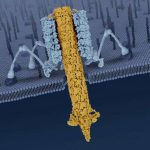
CRISPR stands for Clustered Regularly Interspaced Short Palindromic Repeats. Basically, these are gene sequences that bacteria acquire from bacteriophages (viruses that attack bacteria) and make it a part of their genome. This acquisition of the bacteriophage gene is accomplished with the help of Cas (CRISPR-associated) proteins. There are ten Cas proteins: Cas1 to Cas10. When a bacteriophage attacks a bacterium and injects its DNA into the bacterial cell, Cas1 and Cas2 proteins chop up this viral DNA and then, insert fragments of this DNA into a CRISPR locus in the bacterial genome. Now, the bacterial genome has been integrated with genes from its nemesis- the bacteriophage. CRISPR loci of the bacterial genome are regularly being transcribed into crRNA (CRISPR RNA). This crRNA forms a complex with Cas9 protein and this CRISPR/Cas9 complex hunts for bacteriophage DNA that dares to infect the bacterial cell again. If the same bacteriophage attacks the bacterium again, the crRNA recognizes its DNA and the bound Cas9 protein cleaves and destroys the phage DNA, protecting the bacterium from being infected twice by the same virus.




Related Posts

Can humans have two different sets of DNA!
- Admin
- January 21, 2022


গাছের পাতার সাথে পানির সম্পর্ক নিয়ে কতটুকু জানি?
- Admin
- January 22, 2022